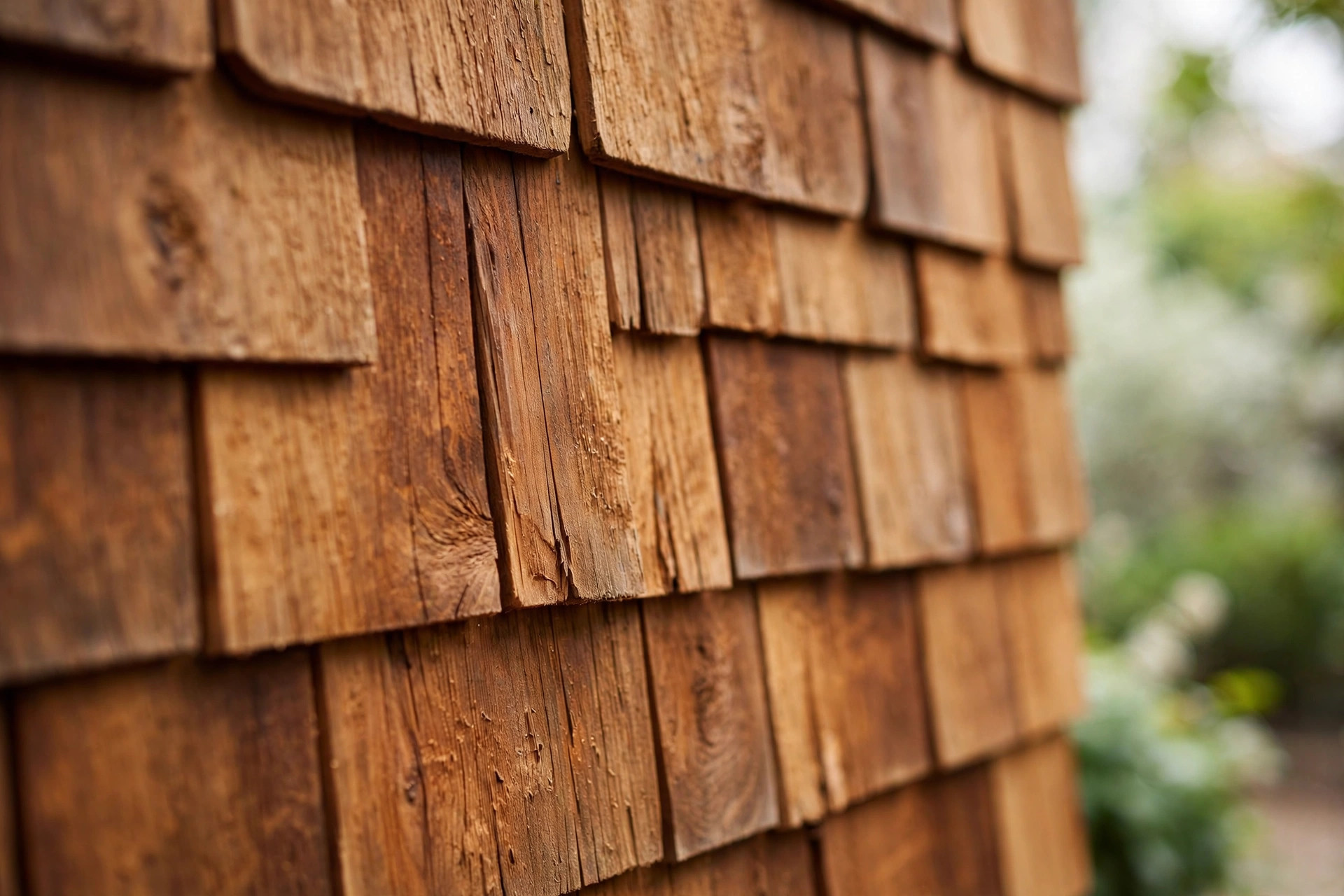
Cedar siding gives a home unmistakable character, and plenty of Washington, DC houses wear it proudly. But cedar is a natural material in a demanding climate — humid summers, winter freeze-thaw, and driving rain all take their toll. With the right maintenance routine, cedar siding can serve beautifully for decades. Here is how to care for it.
Clean It Gently Every Year
Dirt, pollen, mildew, and algae build up on cedar, especially on shaded north-facing walls common on DC rowhouses. Wash the siding annually with a garden hose and a soft brush, using a mild detergent or a cleaner made for wood siding. Avoid high-pressure washing, which can gouge soft cedar fibers and force water behind the boards.
If you see green or black discoloration, that is likely mildew or algae — common in DC's humidity. A wood-safe cleaner and gentle scrubbing usually handle it. Catching growth early prevents it from working into the grain.
Keep the Finish Fresh
Cedar's finish — stain or paint — is its armor. Transparent and semi-transparent stains showcase the grain but need refreshing more often; solid stains and paint last longer but hide the wood. Inspect the finish each spring: if water no longer beads on the surface, or you see graying, peeling, or bare spots, it is time to recoat.
Before refinishing, clean the siding thoroughly and let it dry completely. Spot-prime any bare wood, and never paint over a failing finish without proper prep — adhesion problems will just return. A siding professional can tell you whether your cedar needs a simple recoat or deeper restoration.
Inspect for Damage Twice a Year
- Soft or spongy boards: press suspect boards with a screwdriver — softness signals rot.
- Cracks and splits: small checks are normal; deep splits let water in and need attention.
- Insect activity: tiny holes or sawdust-like frass can indicate wood-boring insects.
- Loose boards or popped nails: refasten before wind and water exploit the gaps.
- Caulk failures: cracked or missing caulk around trim, windows, and corners invites moisture.
Pay special attention where siding meets the ground, rooflines, and decks — these are the wettest zones and where rot usually starts.
Manage Moisture Around the Siding
Most cedar problems are really moisture problems. Keep gutters clean and downspouts directing water away from walls. Trim shrubs and vines back so air circulates and walls dry after rain. Make sure soil and mulch sit well below the siding's bottom edge. In DC's climate, these simple habits prevent more damage than any product.
Frequently Asked Questions
How often should cedar siding be stained?
It varies with sun exposure, stain type, and climate. Transparent stains need refreshing most often, while solid stains last longer. Inspect annually and recoat when water stops beading or the finish looks thin.
Can gray, weathered cedar be restored?
Often, yes. Surface graying is usually just UV-weathered fibers that can be cleaned and brightened with wood restoration products, then stained. Deep rot or structural damage, however, means replacement boards.
Should I power wash cedar siding?
Use caution. High pressure damages cedar fibers and drives water behind siding. If washing is needed beyond a hose and brush, hire a professional who uses low-pressure, wood-safe methods.
When should I call a professional instead of DIY?
Call a pro for widespread rot, insect damage, structural concerns, or any refinishing project beyond a small area. The local siding pros we connect you with handle cedar repair and restoration across the DC area.
Cedar looking tired? Call (206) 360-4969 and we will connect you with a local siding pro who can assess your cedar, recommend cleaning, repair, or refinishing, and give you a clear estimate.
Ready to Talk Siding?
Call (206) 360-4969 and get connected with a local Washington, DC siding contractor today.
☎ (206) 360-4969