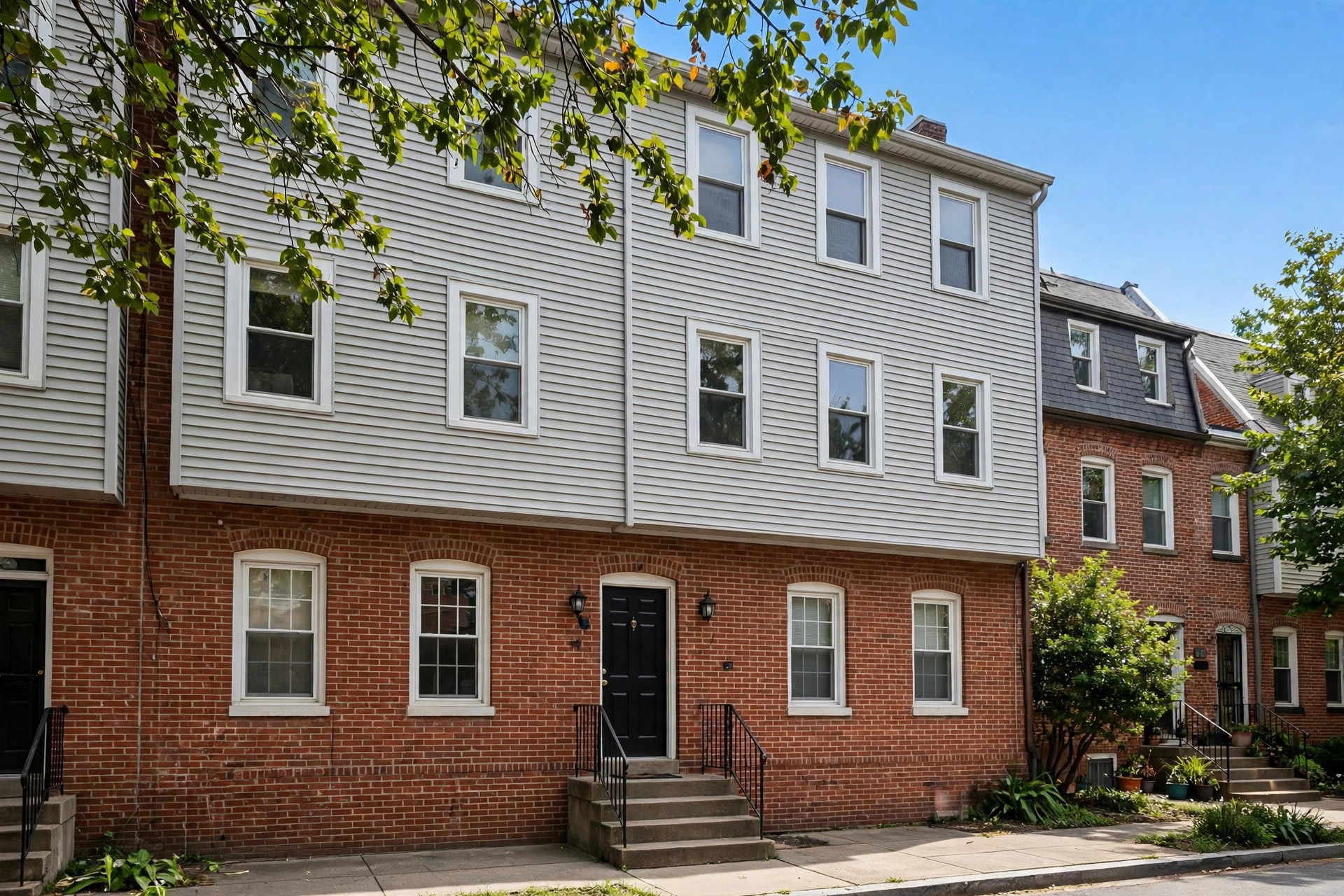
Vinyl siding is one of the most common exterior finishes on homes across the Washington, DC area, and for good reason: it is affordable to install, needs very little upkeep, and comes in a wide range of colors and profiles. But it is not the perfect fit for every home. Here is an honest look at the advantages and drawbacks so you can decide with confidence.
The Pros of Vinyl Siding
The biggest selling point of vinyl siding is how little it asks of you. Unlike wood, it never needs painting, staining, or sealing. An occasional rinse with a garden hose or a gentle wash is usually enough to keep it looking clean, which is a major plus for busy DC homeowners.
Vinyl also offers more design flexibility than many people expect. Modern panels come in dozens of colors, plus profiles that mimic wood lap siding, shakes, and board-and-batten. Insulated vinyl options add a foam backing that improves rigidity and can modestly improve energy performance.
- Low maintenance: no painting, staining, or caulking required.
- Moisture resistance: vinyl itself will not rot, rust, or attract termites.
- Design choice: a wide range of colors, textures, and profiles to match your home.
- Straightforward installation: most experienced siding contractors work with vinyl regularly.
The Cons of Vinyl Siding
Vinyl has real limitations worth knowing about. It can crack or become brittle in extreme cold, and a hard impact — from hail, a fallen branch, or even a stray baseball — can dent or puncture a panel. While individual panels can be replaced, matching the exact color of sun-aged siding years later can be tricky.
Appearance is another consideration. Even high-end vinyl does not have the same depth and texture as real wood or fiber cement, which matters on DC's historic rowhouses where architectural character counts. In designated historic districts, preservation reviewers often require wood or wood-like materials, so vinyl may not be an option for the street-facing facade.
Finally, vinyl is only as good as its installation. Panels must be hung loosely enough to expand and contract with temperature swings, and proper flashing and house wrap behind the siding are essential. Poor installation can trap moisture against the wall, which is the last thing you want in DC's humid climate.
How Vinyl Handles DC Weather
Washington, DC brings humid summers, freeze-thaw cycles in winter, and the occasional severe storm. Quality vinyl siding handles this climate reasonably well because it does not absorb water and will not rot. The keys are correct installation, good airflow behind the siding, and intact flashing around windows, doors, and rooflines.
On rowhouses, where usually only the front and rear walls are exposed, vinyl is a practical choice for rear additions and side walls that take the brunt of the weather. For street-facing facades in historic neighborhoods, check local requirements before committing. The local siding pros we connect you with can advise on what is typically approved in your area.
Frequently Asked Questions
How long does vinyl siding last?
When quality panels are installed correctly and kept clean with basic washing, vinyl siding often lasts for decades. Extreme weather, poor installation, or physical damage can shorten its life, so periodic inspections are still worthwhile.
Does vinyl siding ever need painting?
No. The color runs through the panel, so there is nothing to repaint. If you want a new color years later, replacement is the usual route, which is why most homeowners choose a color they will enjoy long-term.
Can vinyl siding be installed on a DC rowhouse?
Yes, it is commonly used on rowhouses, especially on rear and side walls. If your home sits in a historic district, confirm material requirements with the local review board first, since some districts restrict visible vinyl.
Is insulated vinyl siding worth considering?
Insulated vinyl adds rigidity, which helps panels look flatter and resist denting, and it provides a modest boost in energy performance. A local contractor can explain whether the upgrade makes sense for your home and budget.
Ready to talk through your options? Call (206) 360-4969 and we will connect you with a local siding pro who can evaluate your home, explain your material choices, and provide an estimate for your project.
Ready to Talk Siding?
Call (206) 360-4969 and get connected with a local Washington, DC siding contractor today.
☎ (206) 360-4969